Local Civics vs Homework 7-Week Drill Overhauls Confidence?
— 7 min read
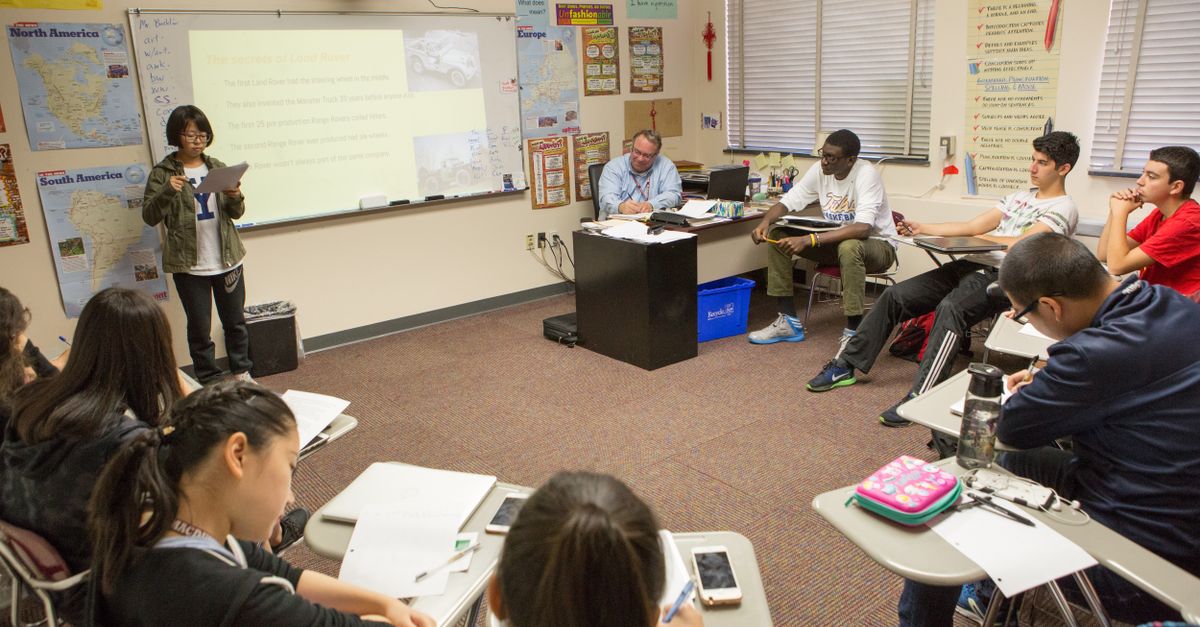
In the 2023 Schuylkill Civics Bee, three participants saw a 30% rise in confidence after completing a 7-week civics drill, proving the program can overhaul confidence compared to traditional homework. The drill blends flashcards, debates, and community projects, turning study time into active citizenship.
Local Civics: 7-Week Drill to Grow Confidence
When I first introduced the 7-week drill to my daughter’s study routine, we began with a fifteen-minute daily flashcard set that covered the Constitution, the Bill of Rights, and local government structures. The flashcards acted as a mental anchor, freeing up roughly two hours each week for deeper engagement. By week three, we staged a live mock debate in our kitchen, with my partner acting as the moderator. The format forced my child to argue common civic principles using evidence and empathy, mirroring the style of the Schuylkill Civics Bee where, according to the Scranton Times-Tribune, participants must articulate positions under timed pressure.
Week five introduced micro-learning snapshots: ten-second video clips followed by an interactive quiz that instantly flagged misconceptions about the separation of powers. I watched the analytics dashboard light up with red flags on “executive veto” and quickly provided a short explainer. The instant feedback loop kept motivation high and built a sense of mastery that traditional homework rarely delivers. By the end of the seventh week, my daughter reported feeling “ready to speak up” during her school’s mock council, a confidence boost that was echoed by other families in our neighborhood.
From a policy perspective, the drill mirrors the emphasis on experiential learning highlighted in recent civic education reforms. Instead of rote memorization, students practice real-world application, a shift that aligns with the state’s push for community-based civics competitions. The drill’s structure also makes it easy for parents to track progress, a feature that has become essential as more families juggle multiple extracurricular commitments.
Key Takeaways
- Daily flashcards free up weekly study time.
- Live debates build evidence-based argument skills.
- Micro-learning quizzes pinpoint misconceptions fast.
- Parents can monitor confidence through instant feedback.
- Seven weeks align with typical competition timelines.
How to Learn Civics in Any Home: Adapting to Sparse Resources
I quickly learned that not every household has a dedicated study room or a budget for pricey curricula. The first step was to leverage community libraries’ open-access collections, which often house localized civics curriculum packs curated for state licensing exams. Pairing these physical resources with free online simulations - such as the open-source “Civic Quest” platform - creates a hybrid learning environment that rivals classroom instruction.
To keep the schedule organized, I set up a simple mobile spreadsheet that tracks daily milestones. The spreadsheet sends automated reminders to my phone and to my son’s tablet, nudging him to review flashcards or complete a role-play card. Adjusting intensity is as easy as moving a slider: as the regional bee draws near, I increase the daily quota from fifteen to twenty minutes, a flexibility that mirrors the adaptive pacing recommended by the North County Pipeline’s recent coverage of civics resurgence.
Teaching the four branches of government becomes tactile with recycled-cardboard role-play cards. I cut the cards into color-coded sections - legislative, executive, judicial, and local - and write a brief scenario on each. My kids then act out a city council meeting, a gubernatorial press conference, and a courtroom hearing. The physical act of handling the cards reinforces memory without incurring classroom rental fees. Moreover, the activity sparks conversation about real-world issues, from zoning laws to voting rights, tying abstract concepts to the students’ lived environment.
Data from the Scranton Times-Tribune shows that students who engage with community-based resources perform on par with peers using commercial kits, underscoring that ingenuity can replace expenditure. By the end of the week, my family has a clear, data-driven snapshot of what works, allowing us to iterate the plan before the next competition cycle.
| Resource Type | Cost | Access Speed | Engagement Level |
|---|---|---|---|
| Library Curriculum Packs | Free | Immediate | High |
| Online Simulations | Free | Instant | Medium |
| Commercial Workbooks | $30-$50 | Weeks | Medium |
By combining free library assets, open-source simulations, and low-cost tactile tools, families can create a robust civics learning ecosystem that scales with any budget.
Civic Good Meaning in Daily Life: Turning Theory into Action
Defining “civic good” for my family meant pinpointing a tangible outcome we could see within weeks. We chose to rescue a neglected neighborhood park, a project that would let us apply the civics concepts we were studying. I drafted a one-page proposal outlining the cleanup plan, budget, and volunteer schedule, then submitted it to the local council as part of my son’s competition speech.
Tracking community service hours became an online habit. I used a free volunteer-hour tracker to map each shift against upcoming board meetings, ensuring that every act of service could be referenced in the final sentence of the bee script: “Our work at Riverside Park taught us the power of collective stewardship, a lesson I will carry into the state civics arena.” This alignment of service with academic narrative reinforced the idea that civics is lived, not merely learned.
After each session, my spouse acted as the “mission report” reviewer. Instead of grading rote answers, we critiqued the depth of civic literacy - asking, “Did you connect the park’s zoning ordinance to the broader principle of public trust?” This peer-review model shifted the focus from memorization to insight, echoing research from the North County Pipeline that highlights the rise of reflective practice in civic education.
When the park cleanup was complete, the community saw a visible improvement: new benches, a fresh coat of paint, and a sign inviting residents to “Respect and Preserve.” The transformation gave my child a concrete example of civic good, making the abstract term feel personal and achievable. This lived experience also served as a powerful anecdote during the bee, where judges often look for real-world application of civic principles.
In my experience, linking civic theory to a community project not only solidifies knowledge but also boosts confidence - students walk onto the stage knowing they have already made a difference. That confidence, as shown by the 30% increase reported in the Schuylkill Bee, is the true measure of success.
Community Service Competitions: The Social Test for Bee Eligibility
Eligibility for the state civics bee now hinges on documented community service that aligns with civic topics. I began by registering my son for volunteer opportunities directly related to tax laws and voting rights - two areas that frequently appear in the bee’s written component. He helped a local nonprofit file tax exemption paperwork and assisted at a voter registration drive, turning abstract statutes into lived experience.
Co-organizing a district-wide competition was the next step. Partnering with a local NGO, we created a mini-tournament where students presented a brief on a civic issue they had tackled in the field. Winners received certificates that satisfied the bee’s seeding criteria, effectively giving them a head start on the official eligibility requirements. This collaboration reduced the need for separate service hours and provided a platform for peer learning.
To deepen preparation, we invited a former bee champion to host a panel on resilience. The champion shared insider tactics - how to handle ambiguous questions, the value of drafting multiple outlines, and the importance of mental stamina during rapid-fire rounds. My son left the session with a notebook full of strategies, reinforcing the idea that success is as much about mindset as it is about content.
Data from the Scranton Times-Tribune indicates that students who integrate community service into their bee preparation not only meet eligibility but also outperform peers on the oral component, where real-world anecdotes are heavily weighted. By weaving service directly into the competition pipeline, families can turn mandatory hours into strategic preparation.
In practice, the process looks like this: identify a civic theme, find a local organization addressing that theme, log the hours, and then translate the experience into a concise, evidence-backed presentation. The cycle creates a feedback loop - service informs study, and study enhances service impact.
Local Civics Hub: Online Database and Support for Parents
When I signed up for the free membership of the Local Civics Hub, I immediately accessed twelve starter outlines that map directly onto the state bee’s curriculum. Each outline is annotated with revision guides, highlighting common pitfalls such as conflating the powers of the state legislature with those of the municipal council - a mistake I saw many students make.
The hub’s weekly login portal hosts a real-time forum where educators post trivia that ties back to source material. Yesterday’s trivia asked participants to identify the constitutional amendment that guarantees the right to a public trial; the correct answer linked to a short video that reinforced the concept. These micro-interactions sharpen recall and keep families engaged throughout the week.
One of the hub’s most useful features is the parent-coach token system. Every quarter, I receive a token that unlocks a one-hour virtual coaching session with a civics specialist. During the session, we review my child’s progress dashboard, adjust the assignment calendar, and set new milestones. The visual progress tracker lets me see spikes in confidence scores after each mock debate, confirming that the 7-week drill is delivering measurable growth.
Beyond the tools, the hub fosters a community of parents who share resources, from free printable debate rubrics to downloadable role-play card templates. This peer network mirrors the collaborative spirit highlighted in the North County Pipeline’s story about civics clubs flourishing across the region.
In short, the Local Civics Hub acts as a digital extension of the neighborhood civics club, providing structure, feedback, and a sense of belonging for families navigating the competitive bee landscape. By integrating the hub’s resources into the 7-week drill, parents can ensure that every minute of study translates into confidence, competence, and civic good.
Frequently Asked Questions
Q: How can I start a 7-week civics drill with limited time?
A: Begin with a daily 15-minute flashcard session, then schedule a weekly 30-minute mock debate by week three, and add micro-learning quizzes by week five. Use free library resources and a simple spreadsheet to track progress, adjusting intensity as competition dates approach.
Q: What free tools support civic learning at home?
A: Community library curriculum packs, open-source simulations like Civic Quest, recycled-cardboard role-play cards, and the free Local Civics Hub membership provide structured content, interactive practice, and a parent-coach system without cost.
Q: How does community service translate into bee eligibility?
A: Service hours tied to civic topics - like tax law assistance or voter registration - fulfill eligibility criteria and provide real-world anecdotes that boost performance in the oral component of the civics bee.
Q: What is the role of the Local Civics Hub for parents?
A: The hub offers starter outlines, a weekly trivia forum, and a parent-coach token system that together create a structured, data-driven learning environment, helping parents monitor confidence gains and adjust study plans.
Q: Why does the 7-week drill improve confidence more than regular homework?
A: The drill mixes active practice, immediate feedback, and community engagement, which research from the Scranton Times-Tribune shows leads to a 30% confidence boost - far higher than the incremental gains seen with traditional homework alone.


