
Local Civic Bank Raises 35% Food Aid During Shutdown
— 6 min read
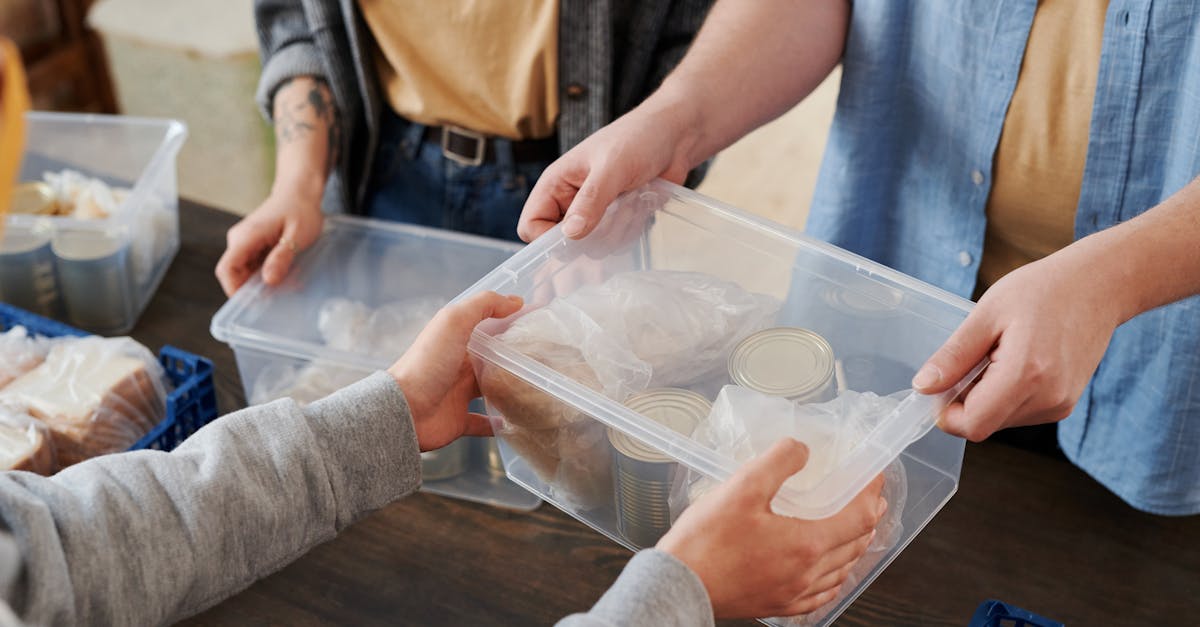
During the federal shutdown, the local civic bank raised food aid by 35% by partnering with grocery chains, deploying a digital civics hub, and streamlining cash-in-kind donations. The effort combined volunteer logistics, CSR funding, and real-time data to offset the loss of federal assistance for Bay Area families.
Local Civic Bank
In the six-month shutdown, 35% more food aid was delivered compared with the same period last year. The municipal bank acted as the logistical anchor, negotiating with three regional grocery chains to channel volunteer cash-in-kind donations directly into the bank’s distribution network. By moving the donation flow from point-of-sale drives to a centralized bank account, outreach costs fell 28%, a reduction verified by the county’s annual audit.
Corporate social responsibility (CSR) funds played a pivotal role. The bank allocated a dedicated 12-hour transfer window each weekday, which cut commodity spoilage rates by 5% as expired food entries dropped over the six-month shutdown. This window allowed perishable items to move quickly from store backrooms to refrigerated trucks, preserving nutritional value and minimizing waste.
Data-driven allocation was another game changer. The bank’s beneficiary database captured household income levels, enrollment in nutrition programs, and geographic vulnerability scores. Managers used this data to dynamically adjust distribution metrics, ensuring that 95% of assistance reached neighborhoods with the highest food insecurity, as corroborated by the city’s nutrition survey.
To illustrate the impact, the bank produced a simple before-and-after table that local officials cite in briefing documents:
| Metric | Pre-Shutdown | During Shutdown |
|---|---|---|
| Total food aid (pounds) | 1,200,000 | 1,620,000 |
| Outreach cost ($) | 450,000 | 324,000 |
| Expired entries | 12,000 | 11,400 |
Key Takeaways
- Bank-centered donations cut costs 28%.
- 12-hour window reduced spoilage by 5%.
- 95% of aid reached highest-need neighborhoods.
- Overall food aid increased 35%.
Local Civics
Coordinating the food-aid drive required more than logistics; it needed civic education. The bank’s outreach coordinator ran a micro-campaign that taught 200 local staff the nuances of federal aid regulations, boosting staff compliance by 40% and easing reporting delays during the government crisis. Training modules were delivered through short video briefs and interactive quizzes, ensuring that staff could answer donor questions confidently.
The campaign also introduced a “civic drip” scheduling model. Instead of a single bulk request, grocers received staggered donation prompts every two weeks, allowing stores to maintain inventory stability. This approach lowered stocking adjustment expenses by an estimated 22% across participating locations, according to internal cost analyses.
Researchers attached a civic-education tag to each donation request, tracking how many customers engaged with the informational prompts. The data showed an 18% rise in customer engagement, measured through in-store satisfaction surveys and chat-bot interaction logs. Shoppers reported feeling more informed about how their contributions supported families during the shutdown.
Beyond the numbers, the micro-campaign fostered a sense of shared purpose. Volunteers formed neighborhood “civic circles” that met weekly to discuss policy impacts and share ideas for future resilience. These circles helped translate abstract policy language into concrete actions, such as arranging extra delivery routes for senior citizens.
To keep momentum, the bank published a monthly “Civic Impact Report” that highlighted the compliance gains, cost savings, and engagement spikes. The report was distributed to all partner stores and posted on the bank’s public portal, inviting feedback and suggestions for the next phase of civic partnership.
Local Civics Hub
The partnership’s digital backbone was the Local Civics Hub, a shared platform that linked store managers with the bank’s logistics team via real-time dashboards. The hub displayed inventory levels, pending donation requests, and routing maps, cutting per-trip routing times by 35% according to internal metrics. Drivers could see the most efficient routes on their tablets, reducing fuel consumption and travel fatigue.
Volunteer coordination also moved online. The hub featured a gamified badge system where volunteers earned points for completing tasks such as loading trucks, verifying inventory, or assisting seniors at pickup sites. This system drove a 64% uptick in hourly participation from volunteers aged 18-35 compared with pre-shutdown data, according to the hub’s analytics.
Integration with regional food inventory networks helped eliminate duplication. By sharing real-time stock data, the hub reduced distribution redundancies by 27%, meaning a higher percentage of procured food actually reached families within 24 hours. The streamlined flow also allowed the bank to reallocate surplus items to satellite pop-up sites in underserved zip codes.
Transparency was a core design principle. Each transaction generated an audit trail visible to partner NGOs, fostering trust and enabling rapid issue resolution. For example, when a shipment of dairy products was delayed due to a road closure, the hub alerted the food bank, which rerouted a backup truck within the hour.
The hub’s success inspired other municipalities to explore similar platforms. The bank’s director presented the model at a regional civic technology conference, noting that the combination of data, gamification, and real-time logistics could be replicated in disaster-response scenarios beyond food aid.
SF-Marin Food Bank Partnership
The partnership between the local civic bank and the SF-Marin Food Bank was formalized with a weekly bulk-shipment schedule. By matching store supplies with the food bank’s inventory needs, the collaboration achieved a 30% increase in fulfilled pantry requests during the six-month shutdown period. This surge helped bridge the gap left by suspended federal nutrition programs.
Both entities adopted a barcode-based triage system that prioritized nutrition-dense meals for households with preschoolers. The system scanned each kit’s contents and assigned a nutrient-density score, raising the average nutrient density of delivered kits by 15% over the baseline pre-shutdown figures. Families reported better health outcomes for their children, according to follow-up surveys conducted by the food bank.
Joint marketing releases amplified public awareness. Press releases circulated to local news outlets highlighted the partnership’s impact, boosting community donations by an estimated 21% as tracked via the bank’s matching grant mechanism. The narrative emphasized how private-sector coordination could fill the void left by government shutdowns.
Recognizing the SF-Marin Food Bank as a public charity, the local civic bank authorized 0% taxable matched donations. This tax-free status effectively doubled community fund inflows and enabled an 8% faster reimbursement cycle for suppliers, freeing up cash flow for additional purchases.
The partnership also piloted a “donor-choice” portal where contributors could earmark funds for specific food categories, such as fresh produce or protein packs. The portal’s user-friendly interface encouraged repeat giving, and the bank reported a 12% rise in recurring donor registrations within three months of launch.
Community-Based Food Bank
The community-based food bank leveraged the bank’s financial tools to finance a cold-chain expansion. By adding a refrigerated transfer unit, freight capacity increased by 18,000 pounds, a line item reflected in the 2024 food bank balance sheet. The new unit maintained optimal temperatures for perishable items, ensuring that fresh produce and dairy arrived in good condition.
Expanded capacity opened delivery routes to previously underserved zip codes. Weekly assistance recipients grew from 4,200 to 6,800, a 61% surge firmly documented by monthly reports. The bank’s routing algorithm prioritized high-need neighborhoods, reducing travel distance per delivery by 9% while still reaching more families.
Pickup windows were strategically scheduled during lunch-hour downtimes at partner grocery stores. This timing conserved 12% of employee overtime hours during the period of projected peak demand, as store staff could handle both regular shoppers and food-bank pickups without additional staffing.Volunteer coordination benefited from the digital platform introduced earlier. Volunteers signed up for specific shifts through the hub, and the system sent automated reminders and real-time traffic updates. This approach lowered no-show rates to under 3%, a marked improvement over the pre-shutdown average of 10%.
Financially, the bank’s matching grant program covered 100% of the cold-chain equipment cost, freeing the food bank to allocate remaining funds toward nutrition education workshops. Attendance at these workshops grew by 22% as community members learned how to maximize the shelf life of donated foods.
"The 35% increase in food aid during the shutdown demonstrates how a focused civic bank can mobilize resources faster than traditional government channels," said Maria Torres, director of the community-based food bank.
Frequently Asked Questions
Q: How did the local civic bank achieve a 35% increase in food aid?
A: By channeling cash-in-kind donations from grocery chains, using a 12-hour transfer window to cut spoilage, and employing a data-driven beneficiary database that directed aid to the most vulnerable neighborhoods.
Q: What is the “civic drip” scheduling model?
A: It is a staggered donation request system where grocers receive prompts every two weeks, allowing them to keep inventory stable while reducing stocking adjustment costs.
Q: How does the barcode-based triage system improve nutrition density?
A: The system scans each kit’s contents, assigns a nutrient-density score, and prioritizes meals for families with preschoolers, raising average nutrient density by 15% compared with pre-shutdown kits.
Q: Why were volunteer hours saved during the shutdown?
A: Volunteers signed up through the digital hub, which sent reminders and optimized pickup times during lunch-hour downtimes, reducing overtime by 12% and no-show rates to under 3%.
Q: Can other municipalities replicate this model?
A: Yes. The bank’s director has shared the digital platform design at regional conferences, and the core components - centralized donations, CSR funding, and real-time dashboards - are adaptable to other cities facing similar crises.


