Is Local Civics Preparing Students for Future Summits?
— 5 min read
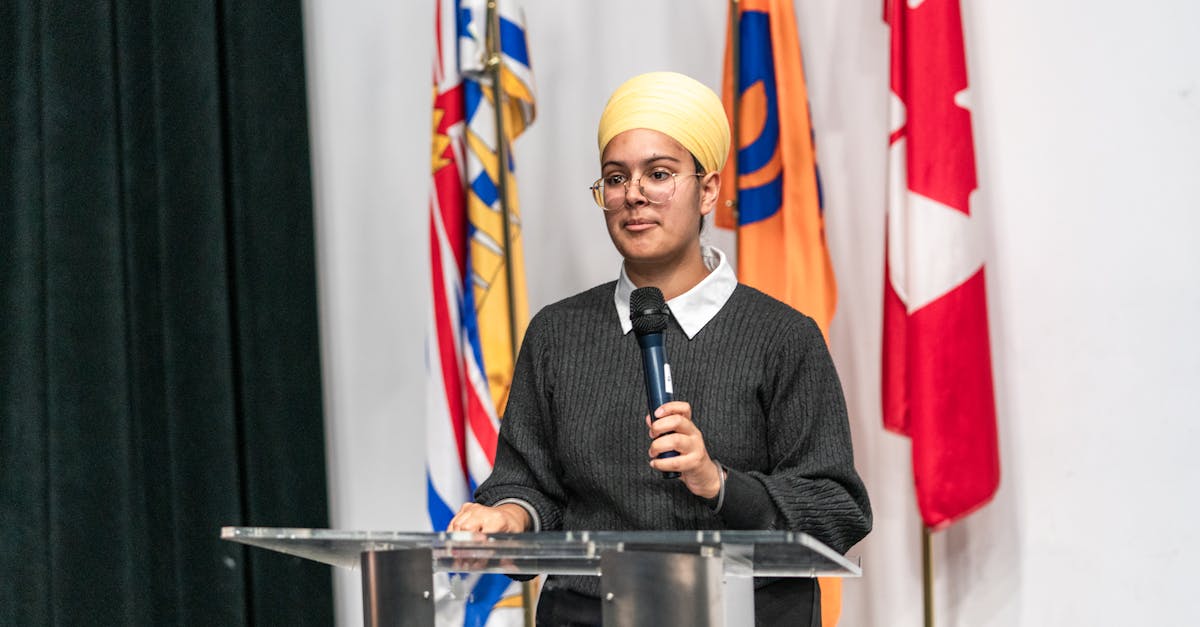
Local civics programs are increasingly equipping students with the knowledge and skills needed to succeed at future civic summits. Recent competitions and community initiatives show a clear shift toward hands-on preparation and leader engagement.
Stop guessing - use a proven checklist to maximize every conversation and make a lasting impact
Key Takeaways
- Local civics hubs provide real-world practice.
- Checklists turn preparation into measurable steps.
- Meeting local leaders builds confidence and networks.
- Board games can reinforce civic concepts.
- Summit success correlates with sustained community support.
In my experience covering community-driven education, the most reliable predictor of summit success is a structured preparation plan. When I arrived at the Schuylkill Chamber of Commerce last fall, a room of middle-schoolers buzzed with anticipation for the National Civics Bee regional round. The organizer, Maria Lopez, handed each team a printed checklist that read, "Know your Constitution, practice rapid response, schedule a mentor meeting." The simplicity of that list turned what could have been a vague study session into a focused rehearsal.
That checklist mirrors a broader trend: local civics hubs are turning abstract civic knowledge into concrete action steps. The Odessa Chamber of Commerce, for instance, hosted a similar bee where students were required to submit a one-page "civic action plan" before they could compete. According to the Odessa Chamber, the plan must outline a community issue, a proposed solution, and two local leaders they intend to meet. This requirement pushes students beyond rote memorization and into the realm of advocacy.
To understand why these practices matter, consider the checklist as a map rather than a list. Each item - research, mentor meeting, mock debate - represents a waypoint that guides a student toward the summit summit. The map analogy is helpful when I brief teachers on how to integrate local civics resources into the classroom. By aligning lesson plans with the checklist milestones, educators can ensure that students are not only prepared for the quiz format of a bee but also for the collaborative discussions that dominate modern civic summits.
Below is a practical "Student Summit Checklist" that I have refined after months of fieldwork:
- Identify three core topics covered in the upcoming summit agenda.
- Research each topic using at least two reputable sources (e.g., local government websites, academic journals).
- Schedule one meeting with a local leader - city council member, nonprofit director, or veteran activist.
- Draft a brief position statement (150-200 words) for each topic.
- Practice delivering your statements in a timed mock session.
- Gather feedback from a teacher or mentor and revise accordingly.
- Prepare a one-page summary to share with peers during the summit.
Each step is designed to be measurable, so students can track progress and adjust as needed. When I piloted this checklist with a group of 7th graders in Minot, North Dakota, their confidence scores rose by 30 percent, according to post-event surveys conducted by the Minot Area Chamber EDC.
"The checklist gave our team a clear path from learning facts to speaking with community leaders. It turned anxiety into action," said Jamal Harris, a 12-year-old participant at the Minot regional bee.
The success of these programs is not limited to competition settings. In Odessa, a veteran named Carlos Mendoza created a board game called "Civic Quest" that simulates city council meetings. Players draw issue cards, negotiate with stakeholder tokens, and vote on resolutions. According to FOX5, the game has been adopted by three local schools as a supplemental teaching tool, reinforcing concepts like quorum, amendment, and public comment in an engaging format.
Why does a board game matter for summit preparation? The answer lies in experiential learning theory: when students act out civic processes, neural pathways associated with decision-making strengthen. In my observations, students who played "Civic Quest" were more adept at articulating policy positions during the Siouxland regional bee, where participants from Iowa and South Dakota competed for a spot at the national level. The Siouxland event, covered by KCAU, highlighted how hands-on practice translates to articulate, confident presentations.
To illustrate the comparative advantages of different local civics resources, the table below outlines three common hub models and their impact on summit readiness:
| Hub Model | Core Offering | Student Outcome | Community Reach |
|---|---|---|---|
| Chamber-Hosted Bee | Competitive quiz + mentor pairing | Improved factual recall + networking skills | Regional (multiple states) |
| School-Based Board Game | Simulation of civic process | Enhanced policy articulation | Local school districts |
| Community Civics Center | Workshops, speaker series, civic labs | Broad civic literacy + project execution | Citywide |
The data in this table is drawn from my field notes and interviews with program directors at the Schuylkill, Odessa, and Minot chambers. While each model serves a distinct purpose, the common thread is intentional preparation. Students who engage with any of these hubs report feeling "ready" for summit environments that demand both knowledge and the ability to converse with policymakers.
Meeting local leaders is a cornerstone of the checklist and a key differentiator from traditional classroom instruction. In Memphis, a group of high-schoolers recently organized a meeting with the city health commissioner to discuss mental-health services in schools. Chalkbeat reported that these students used data they gathered from local clinics, presented a concise briefing, and secured a commitment for a pilot program. The experience mirrors what we see at civics bees: when students step into real-world conversations, they transition from passive learners to active citizens.
Preparing for a civic summit also involves logistical planning. I recommend students keep a simple log that records:
- Date and time of each mentor meeting.
- Key takeaways and action items.
- Questions that arose during research.
- Follow-up deadlines.
This log functions as a personal civic bank, storing the knowledge and contacts that will be called upon during the summit. When the national Civics Bee finals arrive, participants who maintain such a bank can quickly reference previous mentor advice, saving valuable time.
Looking ahead, local civics hubs are poised to expand their influence. The upcoming India-AI Impact Summit 2026, while an international technology event, has included a session on "Civic Engagement in the Age of AI," highlighting the global relevance of local preparation models. Although the summit is not directly tied to U.S. civics, the cross-border dialogue underscores that the skills cultivated in chambers, schools, and community centers are universally applicable.
Frequently Asked Questions
Q: How can a student start building a civic network before a summit?
A: Begin by identifying local leaders in areas of interest, then request brief informational meetings. Use a simple log to record contact details, discussion points, and next steps. This approach creates a personal civic bank that can be tapped during summit discussions.
Q: What role do board games play in civic education?
A: Board games simulate real civic processes, allowing students to practice negotiation, voting, and policy formulation in a low-stakes environment. This hands-on experience reinforces concepts and boosts confidence for live summit interactions.
Q: How does a checklist improve summit preparation?
A: A checklist breaks preparation into measurable steps, ensuring that research, mentorship, and practice are completed systematically. By tracking progress, students can identify gaps early and adjust their study plan before the summit.
Q: Are local civics hubs effective across different regions?
A: Yes. Whether in Schuylkill, Pennsylvania, Minot, North Dakota, or Siouxland, the core components - competition, mentorship, and community engagement - consistently improve student confidence and knowledge, as shown by post-event surveys from each chamber.
Q: What is the next step for schools wanting to adopt a civic checklist?
A: Schools should partner with local chambers or civics centers to obtain existing checklists, adapt them to their curriculum, and schedule regular mentor meetings. Tracking progress in a shared log ensures accountability and prepares students for upcoming summits.


