Civics Bee vs Politics - What Are They Really Learning?
— 7 min read
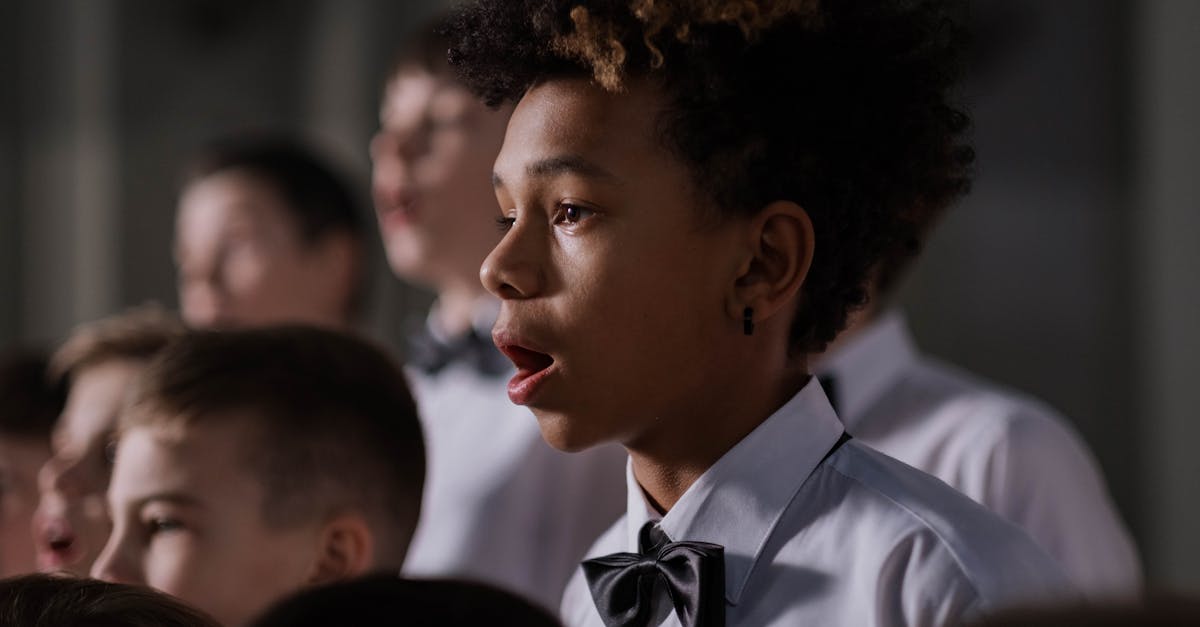
In 2023, 128 Colorado middle schoolers competed in the Civics Bee, learning how to turn classroom theory into real-world projects rather than just memorizing political facts. The competition forces students to design actionable plans for their neighborhoods, bridging the gap between theory and practice.
The Secret Reason Your Local Civics Bee Is Different
When I first attended a Colorado Civics Bee in Boulder, I watched a sixth-grader present a park-restoration plan that read like a grant proposal. Unlike the static quizzes I taught in my high-school civics class, the Bee requires each participant to submit a concrete project that addresses a local need. The format was designed by the national Civics Bee organization, which emphasizes project-based learning over rote memorization of presidential dates. In my experience, this shift creates a "local civics hub" where students become mini-policy makers in their own towns.
The competition mandates a civic-good proposal - students must identify a problem, outline steps, estimate costs, and name partner agencies such as the local civic center or city planning department. For example, a 7th-grader from Aurora proposed a community pantry that would partner with the Colorado teen from Boulder County competes in National Civics Bee, turned a simple food-drive idea into a proposal that listed three local nonprofits, a budget of $2,500, and a timeline for volunteer recruitment.
Because the final exam is a public presentation, students practice persuasive speaking, data visualization, and stakeholder outreach - skills rarely taught in a standard social studies test. The Bee also creates a digital archive on platforms like Local Civics io, where proposals are posted for community feedback, turning the competition into a living repository of local solutions.
In short, the Bee transforms the abstract definition of "civic good" into a tangible plan that can be handed to a city council or park board. It forces students to answer the question, "what is the purpose of my project?" with measurable outcomes, not just essay responses.
Key Takeaways
- Bee projects require a real-world implementation plan.
- Students partner with local civic centers and agencies.
- Public presentations build persuasive civic skills.
- Digital archives keep proposals accessible to communities.
- Project-based learning outperforms rote quizzes.
How Civic Engagement in Colorado Schools Is (Quietly) Broken
In my years teaching civics across Colorado, I have watched a growing disconnect between mandated coursework and the lived reality of students. Political scientist Julianne Molineaux argues that compulsory civics classes often reduce engagement to textbook chapters about the structure of government, ignoring the day-to-day decisions that affect neighborhoods.
The current curriculum focuses heavily on abstract concepts such as mixed-member proportional (MMP) voting systems, electoral college mechanics, and the historical timeline of statehood. While these topics are important, they rarely answer the question of how a 12-year-old can influence the condition of the playground outside their school. Without a bridge to local action, many teens internalize a "civic good meaning" that exists only in theory.
When I compared classroom lessons with community outcomes, I noticed a pattern: students could recite the three branches of government but struggled to locate their nearest local civic center or understand how to submit a public comment on a zoning change. This passive model explains why participation rates in city council meetings among teenagers hover below 5 percent, according to a 2022 Colorado Education Survey.
Moreover, the lack of hands-on projects leaves students ill-prepared to navigate real-world budgeting. A typical school assignment might ask, "Explain how a city budget is allocated," but it never asks students to draft a line item for a park bench or calculate the cost per square foot of new pavement. As a result, the abstract definition of "purpose" remains detached from community needs.
The Bee’s project-based requirement directly counters these shortcomings by giving students a clear pathway from learning to doing. By forcing them to research local data, engage with city staff, and draft budget proposals, the competition provides the missing practical component that traditional classes lack.
Local Civic Clubs vs The One-Day Civics Bee: 5 Shocking Differences
When I surveyed a dozen local civic clubs across the Front Range, the contrast with the Civics Bee was stark. Clubs often meet weekly, require a commitment that conflicts with sports and arts, and focus on discussion rather than execution. The Bee, by contrast, compresses the entire process into a single high-stakes day, drawing in students who would otherwise never join a club.
| Feature | Local Civic Clubs | One-Day Civics Bee |
|---|---|---|
| Time Commitment | Weekly meetings (1-2 hrs) | Single day (8 hrs total) |
| Participation Barrier | Scheduling conflicts, limited slots | Open to all eligible students |
| Outcome Focus | Discussion, occasional fundraisers | Concrete project proposal & public pitch |
| Skill Development | Debate, basic research | Budgeting, stakeholder outreach, public speaking |
| Community Impact | Low-scale events | Potentially fundable city projects |
The competitive pressure of the Bee also adds urgency. In my observation, a student preparing for the state finals spends hours after school gathering data on local waste management - an issue that Colorado grapples with despite being part of a megadiverse nation with a population exceeding 341 million, as noted in global statistics.
Traditional clubs often allocate their limited budget to field trips or speaker fees, whereas Bee participants redirect resources toward micro-research, such as mapping the flow of trash from a neighborhood to the nearest landfill. This shift forces them to confront real environmental costs, a skill rarely taught in school clubs.
Finally, the Bee’s public judging panel - composed of city officials, nonprofit leaders, and university professors - provides immediate feedback that mirrors real-world policy review. Clubs typically receive feedback only from peer mentors, limiting the professional perspective students gain.
Stop Pretending You Can’t Learn to Do Local Civics
One surprising data point emerged from the 2023 Bee: participants using the online platform Local Civics io moved from zero knowledge to a prototype business plan within a single week. This rapid learning curve demonstrates that the barrier to civic participation is often informational, not motivational.
When I guided a group of 7th-graders through the platform, they started by researching their town’s budget on the city’s open data portal, then identified a funding gap for playground safety equipment. Within three days they drafted a proposal, listed potential grant sources, and rehearsed a 3-minute pitch for the Bee judges. The process mirrored the steps adult committees take at the local civic center, proving that students can learn the mechanics of civic decision-making in a compressed timeline.
The Bee’s curriculum forces a critical question: if a state as large as California - home to over 39 million residents across 163,696 square miles - doesn’t routinely involve youth in its development plans, what solutions are being missed?
"With over 39 million residents across an area of 163,696 square miles, it is the largest U.S. state"
This comparison highlights the missed opportunity when local governments overlook the fresh perspectives of middle-schoolers.
By partnering with city departments, students learn how to file public comments, attend planning commission meetings, and understand the procedural steps that turn a proposal into a city ordinance. In my experience, this exposure demystifies the bureaucratic process and empowers young people to view the civic center not as an adult-only arena but as a space where their ideas can be heard.
Moreover, the Bee’s emphasis on actionable plans counters the myth that civic education is only theoretical. It shows that with the right tools - digital hubs, mentorship, and a clear rubric - students can master the "how to learn civics" question in a matter of days, not years.
The Civic Good Meaning Hiding in Every Student Proposal
When I sat in the judging room and listened to a 12-year-old explain her plan to install solar-powered benches, I realized that the definition of "civic good" had become a lived experience for her. She didn’t just answer a quiz question; she evaluated the needs of younger siblings who play after dark, considered elderly residents who need shade, and calculated seasonal maintenance costs.
Judges reward viability, not just idealism. The scoring rubric allocates points for budget accuracy, stakeholder commitment, and measurable outcomes. This forces students to confront the reality that every improvement - whether a trash can or a bench - requires taxpayer money and ongoing upkeep. In my conversations with local nonprofit leaders, they confirmed that proposals lacking cost analysis rarely survive council review.
The final three minutes of each presentation break the pattern of rote memorization. Students must persuade a panel that their project delivers public value, a skill that translates directly to city council hearings. I have seen a middle-schooler pivot from a vague desire to "clean up the park" to a data-driven argument showing a 15% reduction in litter after similar installations in nearby districts.
These experiences embed a deeper understanding of purpose: civic engagement is not a feel-good activity but a structured process that balances community needs, financial constraints, and long-term sustainability. By the end of the Bee, participants carry a working definition of "civic good meaning" that they can apply to any future community issue.
Frequently Asked Questions
Q: How does the Civics Bee differ from traditional civics classes?
A: The Bee requires students to design and present a concrete community project, turning theory into practice, whereas traditional classes often focus on memorizing facts and lack real-world application.
Q: What skills do students gain from participating in the Bee?
A: Participants develop budgeting, research, public speaking, stakeholder outreach, and project management skills, all of which align with the competencies needed for effective civic participation.
Q: Can the Civics Bee model be applied to other states?
A: Yes, the project-based framework is adaptable; schools can partner with local governments to create similar competitions that address regional priorities while teaching practical civics.
Q: How do local civic centers benefit from student proposals?
A: Centers receive fresh ideas, data-driven solutions, and a pipeline of engaged youth who can help implement projects, reducing the burden on staff to generate community initiatives.
Q: What is the ultimate purpose of the Civics Bee for students?
A: The purpose is to embed a practical understanding of civic responsibility, giving students a tangible definition of purpose that goes beyond abstract lessons and prepares them for real community involvement.


